
7 Terpene Profiles That Define a Truly Loud Strain (And How to Spot Them by Nose)
Seven terpene-driven aroma profiles that signal a genuinely loud strain, plus how to train your nose to read each one before you ever break the bud.
Loud is not a THC number. Loud is what hits you across the room when the jar cracks open. It is the gas, the funk, the citrus, the rot, the pepper, the way a great strain announces itself before you have ground a single gram. That announcement is terpenes, and your nose is the most honest testing equipment you own.
Here are seven terpene-driven profiles that separate a genuinely loud strain from a quiet one, and exactly what each one smells like so you can read it blind.
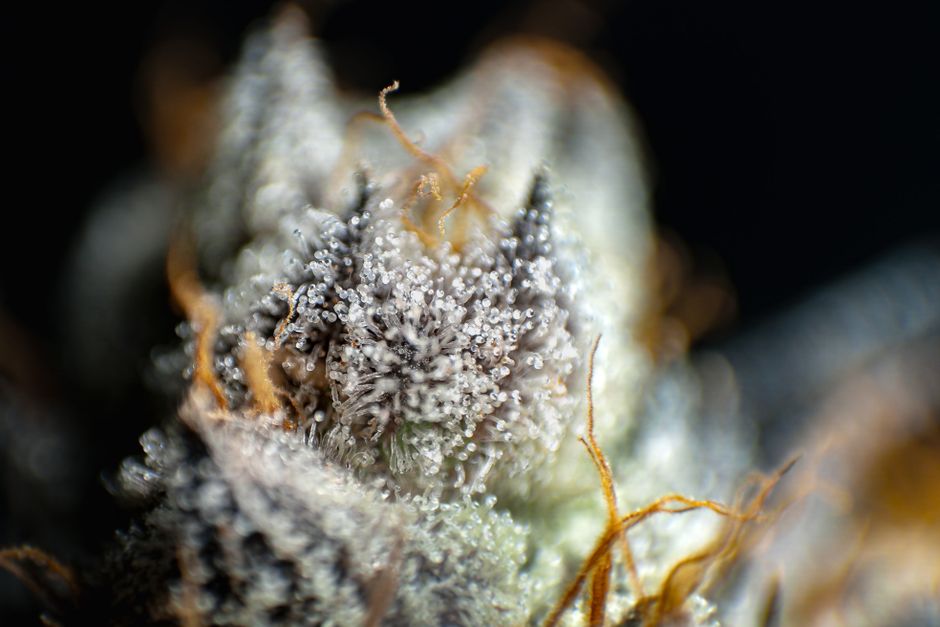 Loud lives in the resin glands. Your nose reads it before any lab number does. Photo: Pexels.
1. Diesel gas
The flagship of any serious gas line. This is the sharp, chemical, fuel-station hit that coats the back of your throat and lingers in the room. It leans on a stack of terpenes rather than one, with funky, pungent compounds doing the heavy lifting alongside caryophyllene.
How to spot it: Think of standing next to a running engine. Sharp, almost solvent-like, with a bite that feels physical. If it makes your nose tingle, you found gas. This is the profile Gorilla Gas Genetics is built on.
2. Sour citrus
Bright, zesty, and sharp, this is limonene running the show. Where gas is heavy, citrus is lifted. You get lemon rind, orange peel, sometimes a sour candy edge that makes your mouth water.
How to spot it: Imagine zesting a lemon directly under your nose. If the aroma is clean, sharp, and makes you salivate, limonene is dominant. It often rides alongside more uplifting, daytime cuts.
3. Sweet fruit
The fruit-bomb profile: berries, tropical punch, grape candy. This usually comes from terpenes layered over an esters-heavy expression, the same family of compounds that flavor ripe fruit. It reads as candy-sweet and rounded.
How to spot it: If it smells like a bag of gummies or a ripe peach more than a plant, the fruit terpenes are loud. Sweetness this deep is a genetic trait, not a coincidence.
4. Earthy musk
This is myrcene territory, the most common cannabis terpene and the backbone of heavy, sedating cuts. Earthy, musky, a little dank, with a clove-like undertone. It is the smell people mean when they say a strain is "dank."
How to spot it: Think damp soil after rain, or crushed cardamom. Heavy and grounding rather than sharp. A strong myrcene nose usually signals a couch-leaning effect.
5. Pine and forest
Sharp, fresh, resinous pine, driven by pinene. It cuts through heavier profiles and often keeps an otherwise foggy strain feeling clear-headed. You smell a walk through evergreens.
How to spot it: Crush a pine needle in your memory. That bright, almost medicinal sharpness is pinene. It frequently shows up as a top note layered over gas or earth.
6. Pepper and spice
Caryophyllene is the standout here, peppery and spicy with a warm woody depth. It is unique among cannabis terpenes because it interacts directly with cannabinoid receptors, so it is doing more than just smelling good.
How to spot it: Fresh-cracked black pepper under the nose, with a warm cinnamon-clove backing. A strong peppery bite usually marks a deep, complex strain rather than a simple sweet one.
7. Funk and savory
The polarizing one: cheese, garlic, gym socks, body odor, the savory rot that makes people either lean in or recoil. This funky, sulfuric note is a hallmark of some of the loudest cuts ever bred, and it is wildly genetic.
How to spot it: If it smells less like a plant and more like a cheese cellar or a clove of garlic, you found the funk. Skeptics turn into believers fast, because funk this loud almost never comes quiet.
Train your nose, step by step
Nobody is born reading aroma. You build it like any other skill, with reps and a method. Here is a routine that works:
- Reset first. Smell your own forearm for a few seconds between samples. It clears the palate of the last hit so the next one lands clean.
- Crack, don't grind. Open the jar and take the first dry waft before you break anything. The intact nose tells you what the plant leads with.
- Then break a bud. Gently squeeze and roll a piece. Squishing ruptures glands and releases the secondary notes hiding under the lead.
- Name it out loud. Force yourself to say "gas, then lemon, then a funky back end." Naming builds the mental library faster than sniffing in silence.
- Check yourself later. After you smoke it, go back and see whether the nose predicted the experience. That feedback loop is what sharpens the instrument.
Run that on every jar for a month and you will out-read most budtenders.
Your pre-buy smell checklist
Before money changes hands, run the nose past these:
- Does it announce itself before you open the bag, or do you have to dig for it?
- Is there a clear lead note (gas, citrus, funk) rather than generic "weed smell"?
- Does a second layer appear when you break a bud?
- Does it smell alive and pungent, not hay-like, flat, or purely grassy?
- Does the aroma match the lineage you'd expect from the name?
Three or more yeses and you are almost certainly holding something genuinely loud. That last point matters most — aroma and genetics travel together, which is why learning to read a strain's lineage doubles the power of your nose. And the frost carrying all that smell? That is trichome density — pure genetics.
Train the most important instrument you own
Reading these by nose is a skill, and it sharpens with reps. Open every jar before you buy. Smell deliberately, name what you find, then check yourself against how the strain actually performs.
A label can lie. A THC number can mislead. The aroma is the plant telling you the truth about its genetics. Learn to listen, and you will pick loud every time.