
Busting the Indica-vs-Sativa Myth: Why Lineage and Terpenes Beat the Label
The indica-versus-sativa binary is a marketing relic, not real botany. Here is why a strain's lineage and terpene profile predict the experience far better than either word ever could.
Ask a budtender for something relaxing and they reach for an indica. Ask for energy and they point at a sativa. It is the most repeated idea in cannabis, printed on every menu and tattooed into every beginner's brain. It is also, for predicting how a plant will actually make you feel, mostly wrong.
The indica-versus-sativa split is a botanical relic that got dressed up as a buying guide. Let us take it apart and replace it with the two things that genuinely predict the experience: lineage and terpenes.
Where the labels came from
The terms are real, but they were never about effect. Back in the eighteenth century, botanists used "indica" and "sativa" to describe where plants grew and how they looked. Sativa meant tall, narrow-leafed plants from equatorial regions. Indica meant shorter, broad-leafed plants adapted to harsher mountain climates.
Those were geographic and structural notes for the grower's eye, not promises about how the flower would hit. The leap from "broad-leafed mountain plant" to "this will glue you to the couch" got invented much later by sellers who needed tidy categories. The botany never said any of that.
Why the binary collapsed
Then breeders spent fifty years mixing everything together. Almost nothing on a modern shelf is a pure landrace anymore — and there is a good argument that no strain you smoke is truly original in the first place. The cuts we run today are hybrids of hybrids, generations deep, blending genetics from every corner of the map.
Cross an "indica" with a "sativa" enough times and the words stop meaning anything. A plant can wear the squat structure traditionally called indica while carrying the chemistry of a soaring, racy high. Leaf shape and effect are controlled by different things, and breeding scrambled the connection long ago. Calling a modern hybrid "an indica" is like calling a mutt "a wolf" because its ears are pointy.
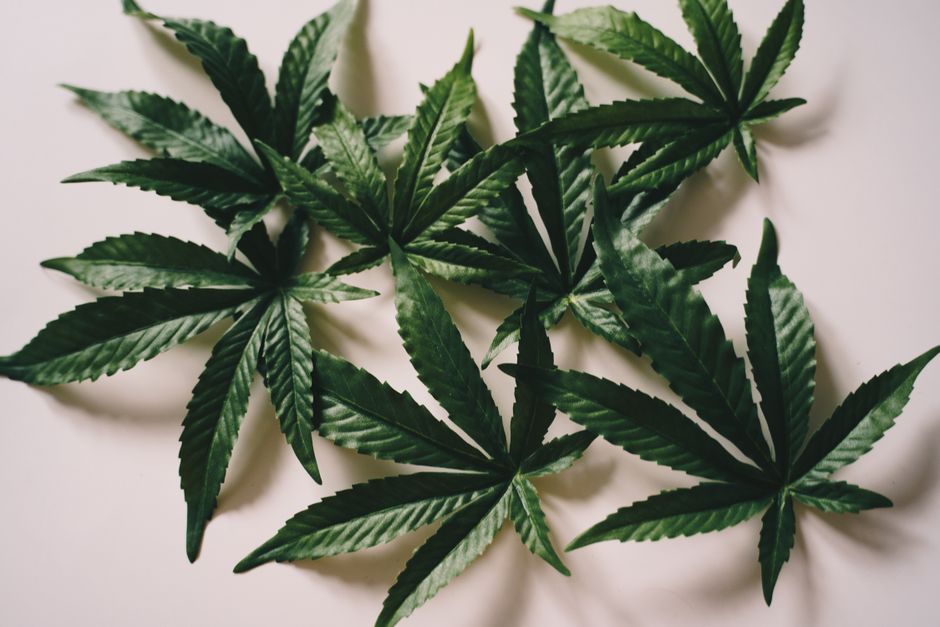 Leaf shape describes how a plant grew, not how it hits. Breeding decoupled the two decades ago.
What actually drives the experience
Two things tell you far more than the binary ever could.
Lineage. A plant's family tree is your best map. If a cut descends from a line known for heavy, sedating gas, that history predicts its character better than any leaf shape. Breeders track lineage obsessively for exactly this reason — genetics is heritable, and a marketing word is not. (If the parent names on a pack read like a foreign language, here is how to decode a strain's family tree.)
Terpenes. The aromatic compounds in the flower shape the texture of the high alongside the cannabinoids. They are also the part you can read for free, standing right at the counter:
| Lead terpene | Typical aroma | What it tends to read as |
|---|---|---|
| Myrcene | Earthy, musky, dank | Heavy, grounding |
| Limonene | Bright citrus, lemon rind | Lifted, brighter |
| Pinene | Sharp pine, fresh forest | Clear-headed, even when potent |
| Caryophyllene | Black pepper, warm spice | Deep, complex |
None of that maps cleanly onto "indica" or "sativa." All of it maps onto smell — which is exactly why learning to read a profile by nose beats reading a menu.
These are tendencies, not guarantees. Aroma is a strong signal, not a prescription — your own body still gets the final vote.
The "couch-lock sativa" you have already met
Every experienced smoker has run a strain labeled sativa that flattened them, or an indica that had them scrubbing the kitchen at midnight. That is not a fluke or a bad batch. It is the binary failing at the one job people trust it for.
Once you stop expecting the label to call the effect, those "surprises" stop being surprising. The plant was telling you the truth the whole time, through its lineage and its aroma. You were just reading the wrong line on the menu — and if you have ever been steered by that line at the counter, our guide to talking genetics without getting upsold is worth a look.
How to actually choose
- Read the lineage first. Who are the parents, and what are those lines known for? That history is your most reliable signal.
- Trust your nose. Heavy earthy musk leans sedating; bright citrus and pine lean lifted. The smell is real chemistry, not a marketing word.
- Treat indica and sativa as structure, not effect. They still describe how a plant grows. They just do not describe how it feels.
- Keep notes. Log lineage and terpene profile against how each strain actually treats you. Your own record beats any menu category, every time.
The indica-sativa shortcut survives because it is simple, and simple sells. But you are not buying a leaf shape, you are buying an experience. Lineage and terpenes are how you pick it on purpose.